Environment, Climate Change, and Forestry Cabinet Secretary Deborah Barasa has reaffirmed government commitment to restoring Nairobi’s rivers, describing the initiative as both a climate solution and a driver of sustainable livelihoods.
Phase 1 Briefing
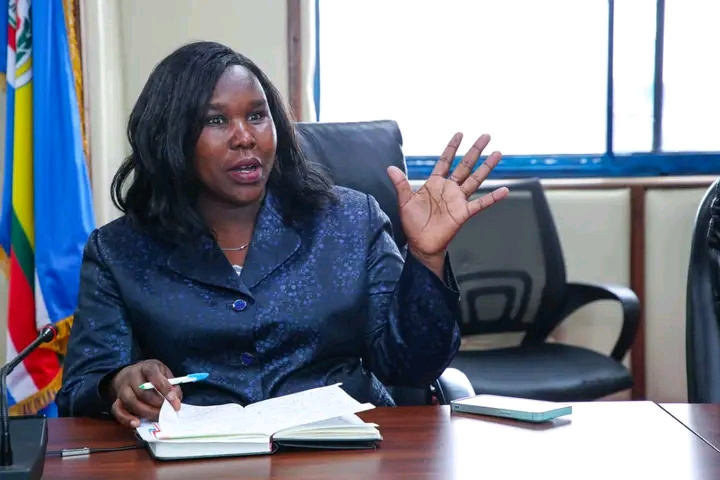
Speaking during the briefing on Phase 1 of the Nairobi Rivers Recovery Strategy under the Nairobi Rivers Green Corridor Catalytic Project, CS Barasa said the programme is not just about clean-up but “a transformative journey to reclaim the Nairobi Rivers as a natural heritage, a climate solution and a driver of sustainable livelihoods.”
She added that the restoration will turn the rivers into “clean, vibrant and resilient urban ecosystems,” which will enhance urban renewal, boost biodiversity, and protect infrastructure from environmental degradation.
Partnerships for Change
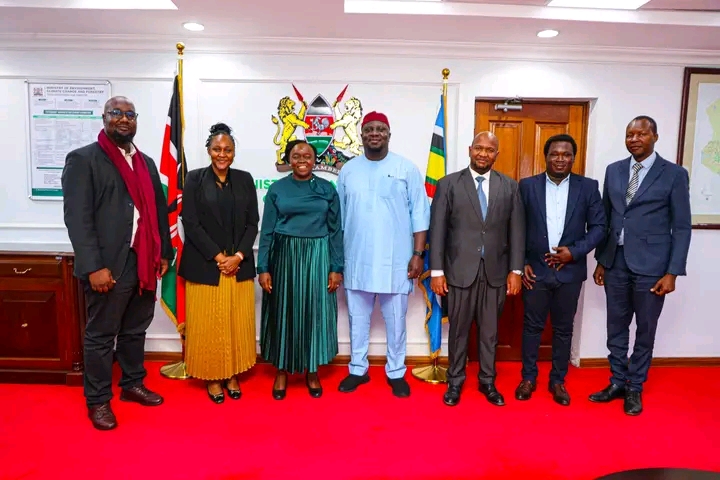
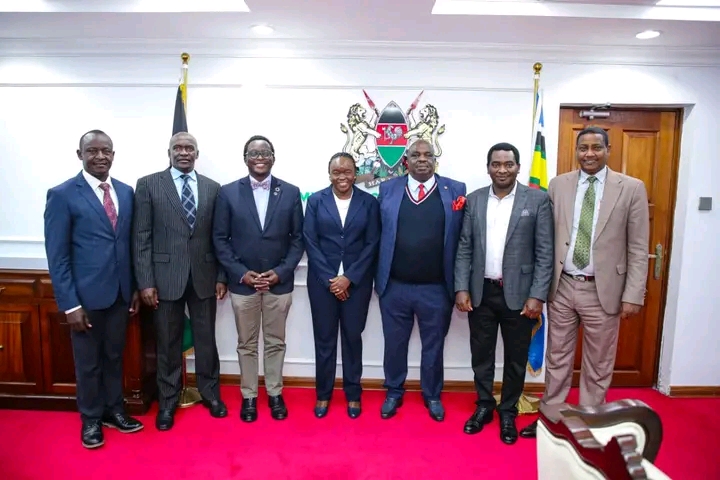
The session brought together top environmental leaders, including Environment Secretary Dr. Selly Kimosop, Susan Boit of the 15 Billion Trees Secretariat, NEMA Director General Dr. Mamo B. Mamo, and Brig. Joseph M. Muracia, CEO of the Nairobi Rivers Commission. Their involvement, CS Barasa noted, underscored “the unity and shared commitment required to achieve this vision.”
The Nairobi Rivers Regeneration Programme is aligned with Kenya’s #15BillionTreesBy2032 campaign and the global #EcosystemRestoration movement. Barasa called on citizens to take part.
“This is a call to action for all Kenyans to join hands in protecting our rivers, restoring ecosystems and securing a greener, sustainable future for generations to come.” Said the CS in a post shared on her social media handles.
The strategy is supported by recent studies, including reports by the National Environment Management Authority (NEMA) and UNEP, which warn that Nairobi’s rivers face severe pollution from industrial waste, raw sewage, and encroachment. These studies highlight that coordinated rehabilitation could drastically improve water quality, biodiversity, and resilience against climate change impacts in urban Kenya.

About the Author