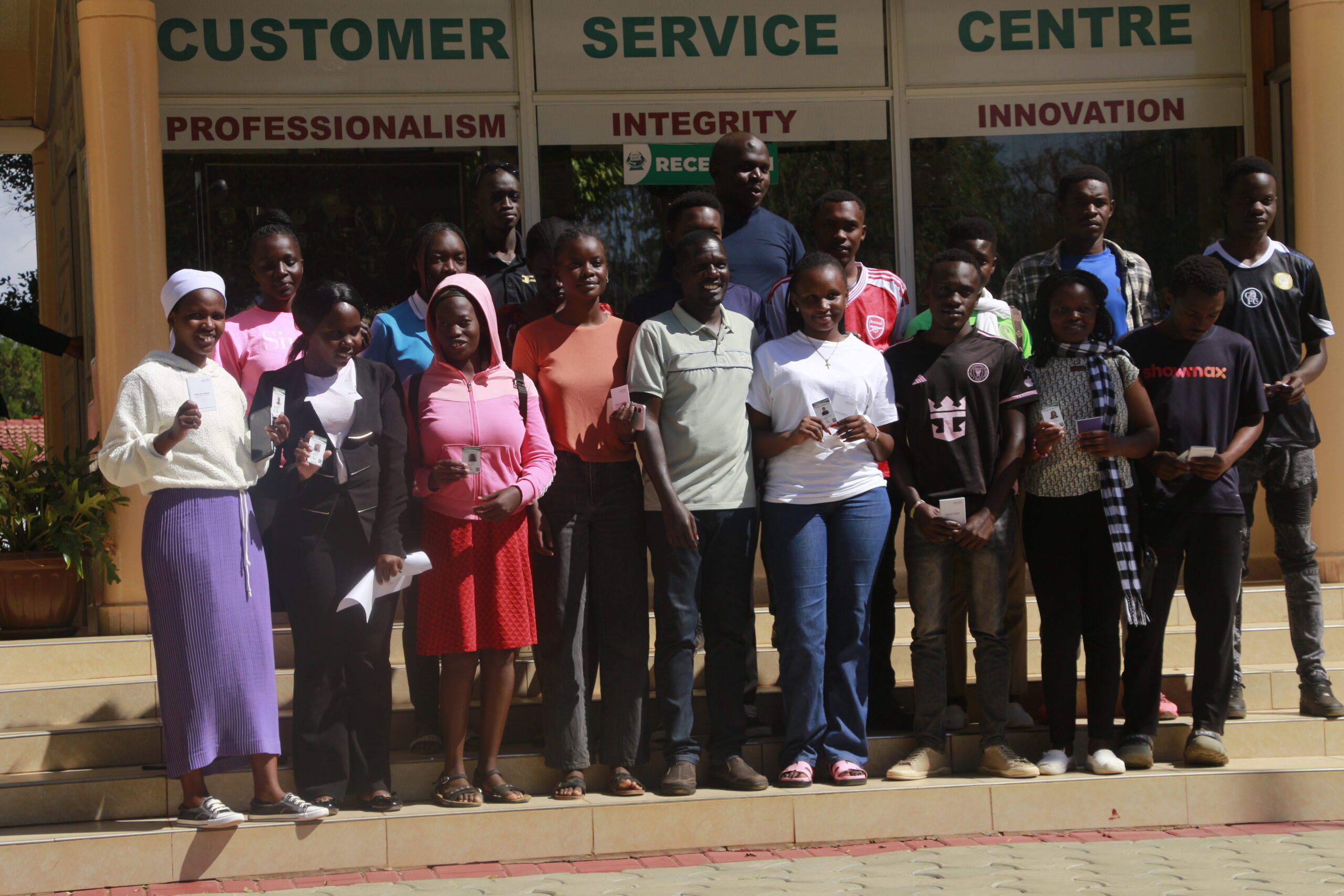

Journalism and media studies students at the Eldoret National Polytechnic have officially received their press cards in a significant step aimed at preparing them for professional practice. The students, accredited by the Media Council of Kenya (MCK), were strongly encouraged to uphold media ethics both during their industrial attachment and in their future careers.
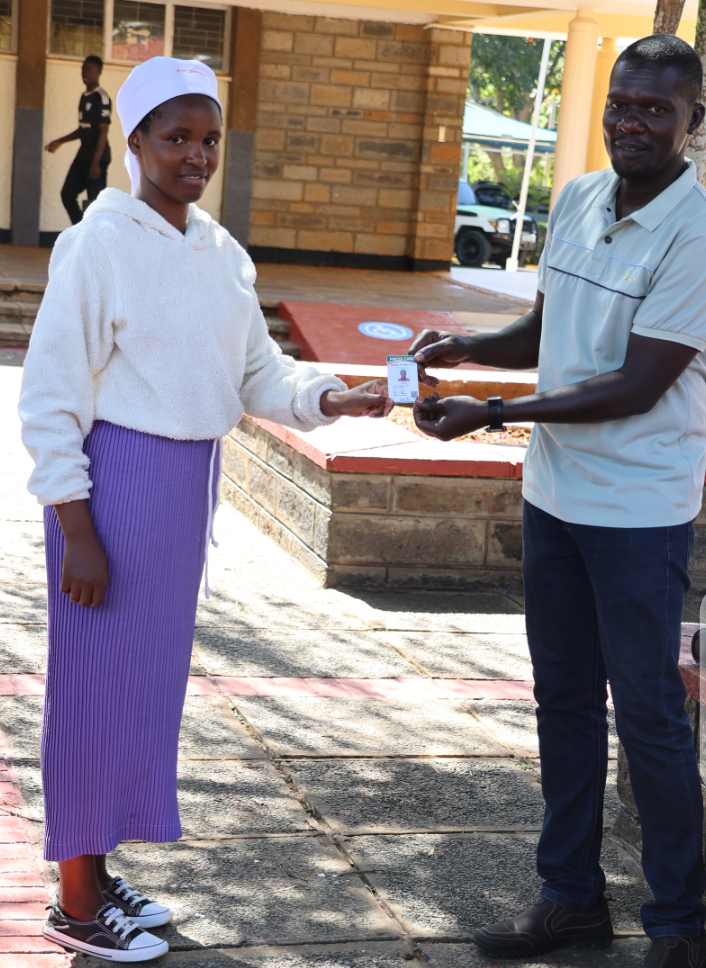
Session Focuses on Professional Conduct
The press card issuance session brought together journalism trainees from the institution, with the central message focusing on professionalism, discipline, and responsible use of the press cards.
Media trainer Mr. James Ahela urged the students to exercise caution and professionalism while on assignment. He emphasized that the press card should be used strictly for journalism-related duties and within the ethical boundaries set by MCK and the institution.
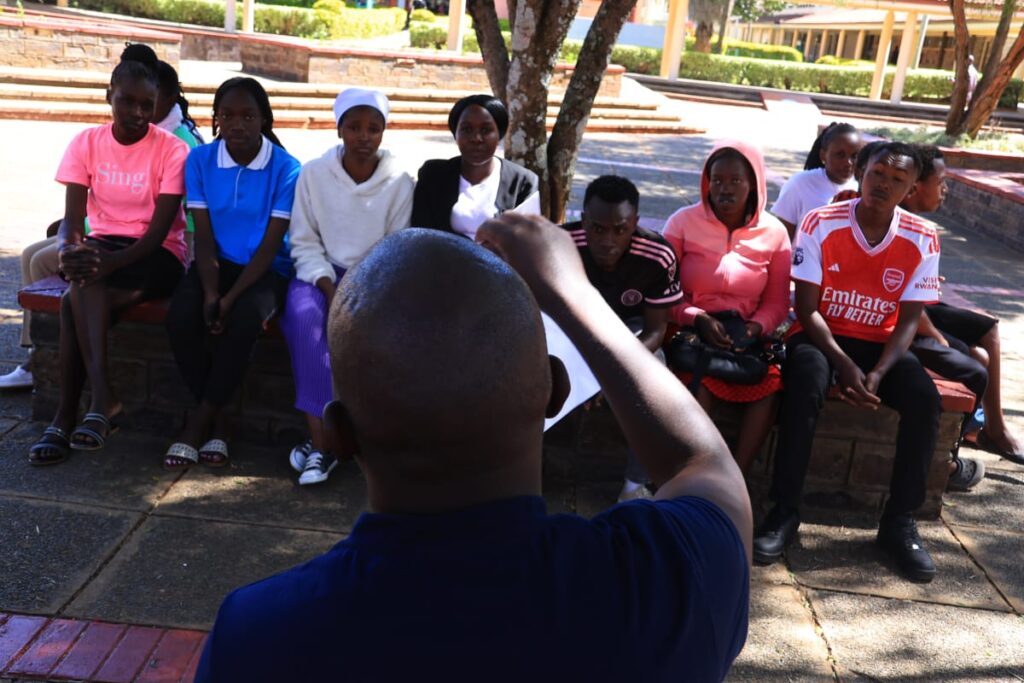
“Don’t use this press card to threaten people or solicit money from them. You should use it within ethical standards. With this press card, you are carrying the name of Eldoret National Polytechnic and the Media Council of Kenya, so be professional,”
said Mr. Ahela.
Institution Urges Students to Uphold Its Reputation
His message was reinforced by Dr. Fred Ageng’o, who officially handed over the cards to the students. He reminded them that discipline and integrity would define their success in the media industry.
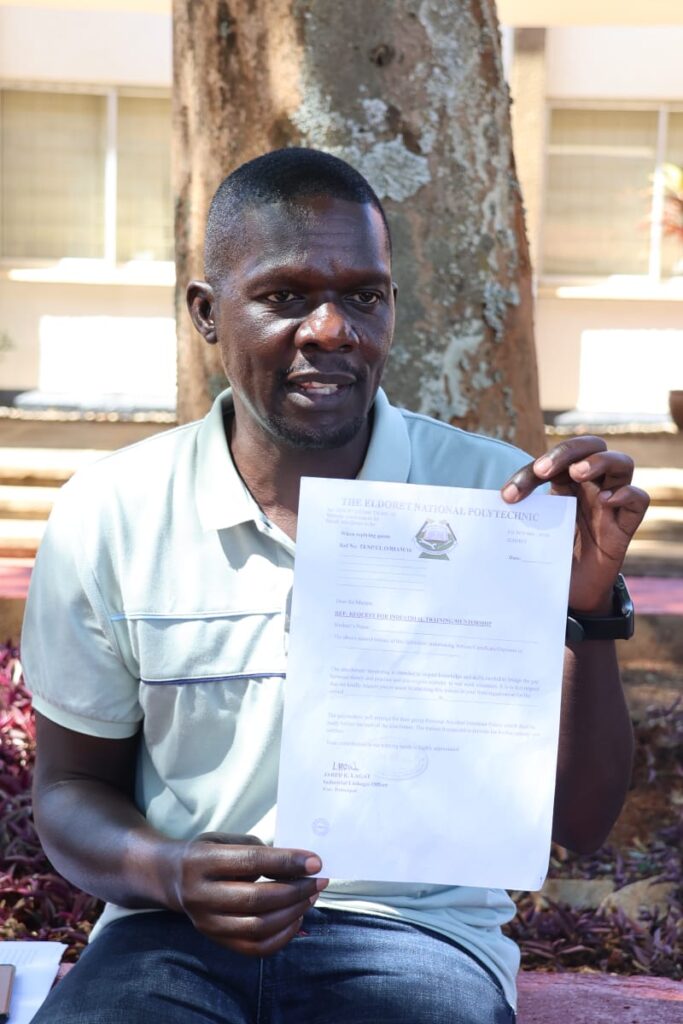
“Please, while out there, ensure you uphold the good name of the institution. Be punctual, follow instructions from your seniors, and maintain discipline,”
said Dr. Ageng’o.
Press Cards Open Doors for Aspiring Journalists
Press cards are essential tools for student journalists, offering official identification, improving access to information, and providing a layer of professional protection while on duty. The move by the Media Council of Kenya to issue press cards to students has been widely welcomed, with many describing it as a major milestone that opens early opportunities for aspiring journalists as they begin their journey in the media industry.
