
By Otieno Patrick
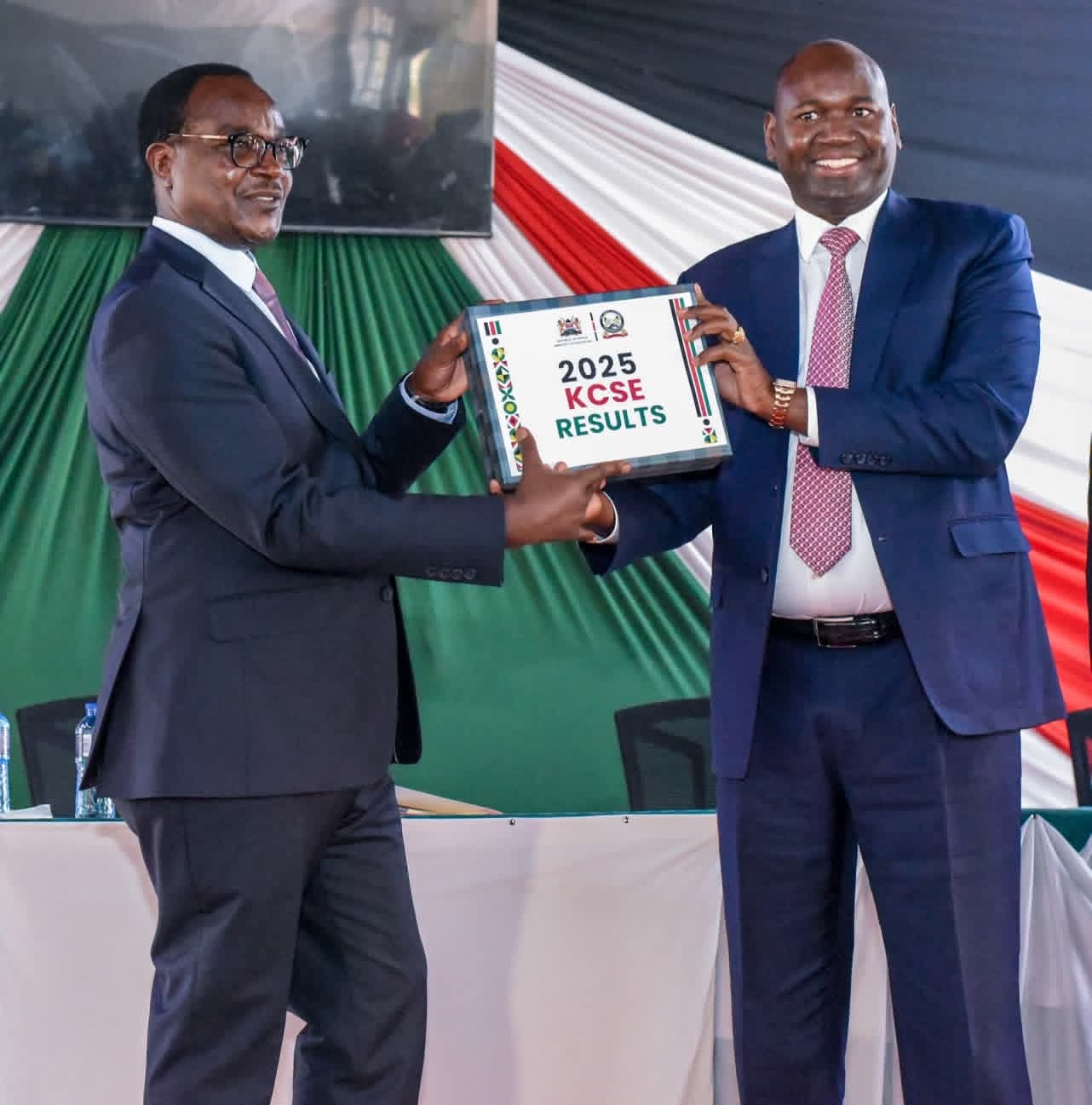
Education Cabinet Secretary Dr. Julius Ogamba on Thursday presided over the release of the 2025 Kenya Certificate of Secondary Education (KCSE) results in Eldoret, in a moment that marks a major turning point in Kenya’s education history.
The release signals the official end of the 8-4-4 education system, which has been in place for decades, and ushers in a new era of competency-based assessment as the first cohort under the Competency-Based Education (CBE) framework prepares to transition to senior school.
Role of examinations in national development
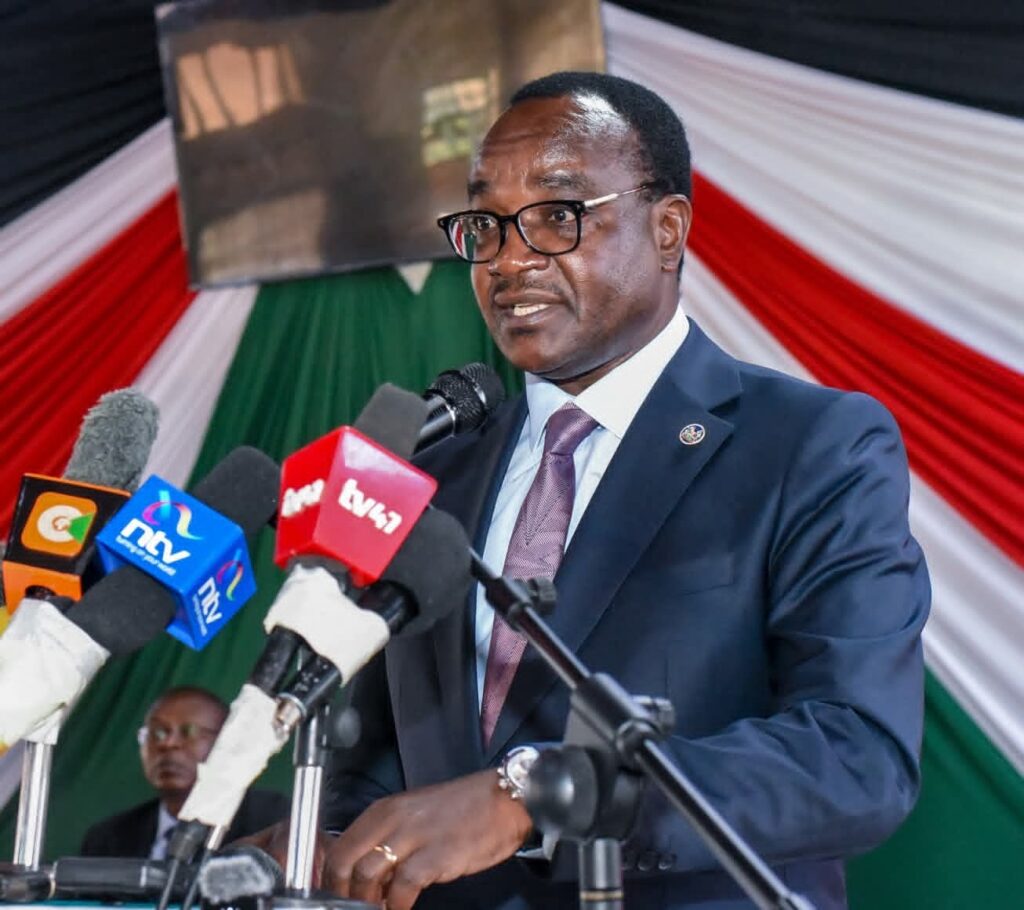
Addressing education stakeholders during the event, Dr. Ogamba underscored the central role examinations and assessments play in shaping the country’s future.
“Examinations and assessments remain the backbone of our education system. They are not merely tools for grading learners, but vital instruments for measuring learning outcomes and guiding the nation’s social and economic development,” he said.
He noted that the KCSE has, over the years, produced generations of learners who have gone on to serve the country across various sectors, contributing significantly to national growth.
Closing the 8-4-4 chapter
The 2025 KCSE examinations officially bring to a close the 8-4-4 system, marking the end of an era that has defined Kenya’s education landscape for more than three decades.
Dr. Ogamba emphasized that education systems must continually evolve to keep pace with global trends, technological advancement, and the changing needs of society.
“As we conclude the 8-4-4 system, Kenya is embracing an assessment approach that prioritizes competencies, values, and practical skills, ensuring that learners are adequately prepared to meet the demands of the 21st-century world,” he said.
Transition to competency-based education
The Cabinet Secretary further announced that the release of the KCSE results coincides with the transition of the first cohort of learners under the Competency-Based Education system to senior school, with the process set to begin on Monday.
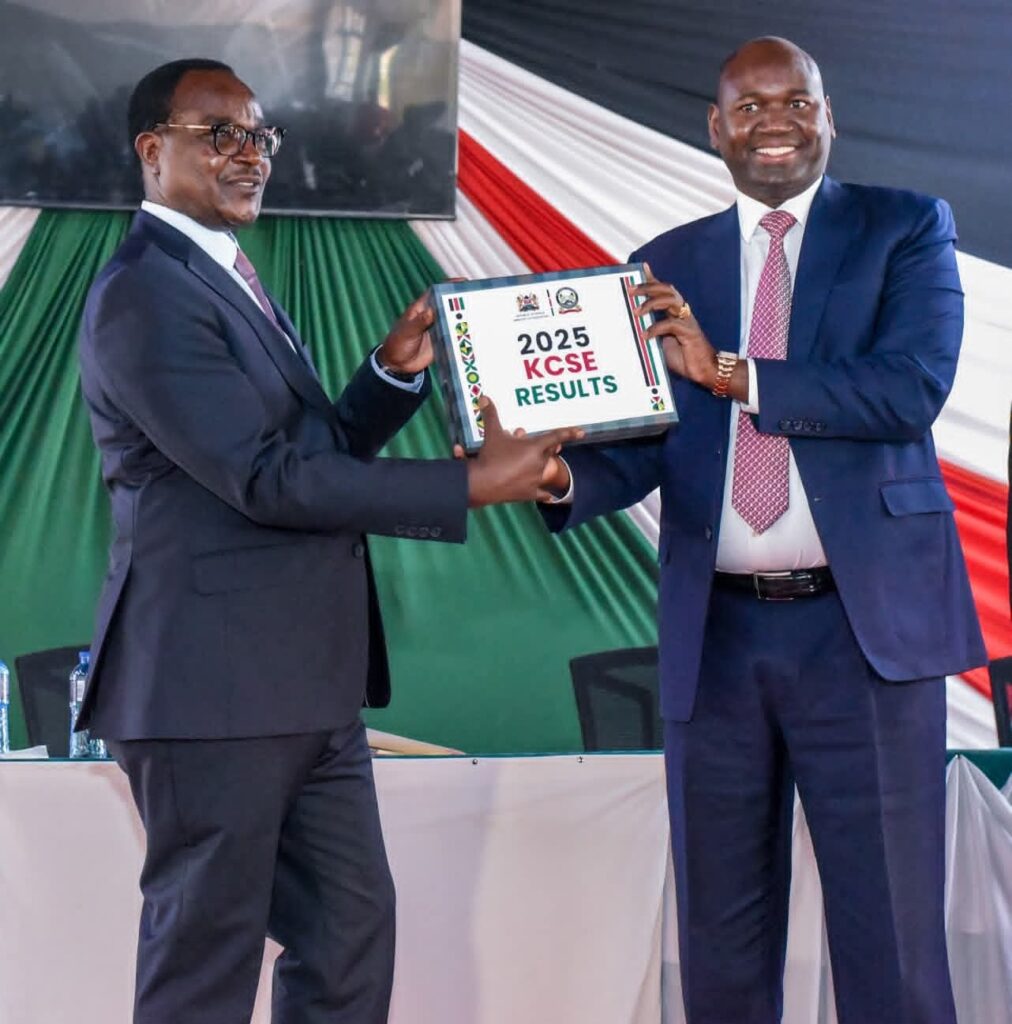
He described the moment as both the culmination of a long-standing assessment tradition and the beginning of a new chapter, reaffirming the government’s commitment to an education framework that goes beyond academic achievement to equip learners with skills relevant to the future workforce and national development.










Leave a Reply