
By Jorai wekesa
Kenya’s education system is at a critical turning point. President William Ruto’s government is reviewing the free education policy introduced by the late President Mwai Kibaki in 2003.
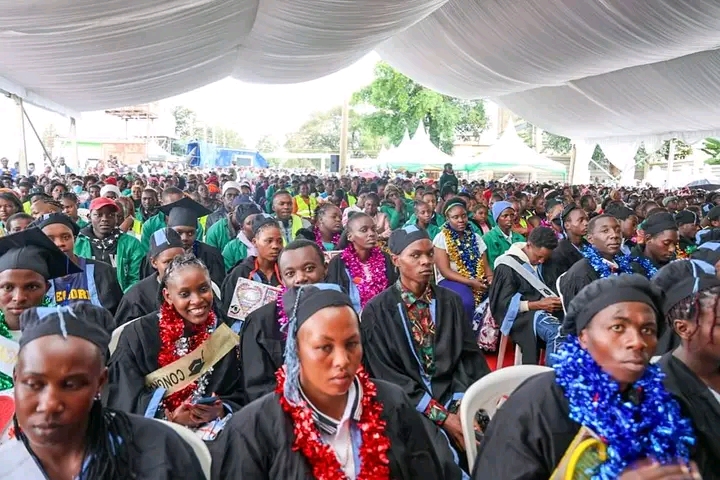
The program opened classroom doors to millions of children. It increased primary school enrollment rates and offered hope to families across the country.
Rising Concerns Over Quality
However, the system is struggling. Overcrowded classrooms, limited teaching staff, and stretched resources have become common. Many teachers now handle oversized classes with little support.
These conditions are fueling concerns about declining education quality. Parents and teachers are speaking out. They fear that learners are missing out on meaningful education.
Policy Shift Sparks Public Outcry

President Ruto’s administration has hinted at scaling back universal free education. Instead, the focus may shift to targeted funding for vulnerable learners.
The suggestion has met resistance. Parents argue that any rollback could reverse gains made in educational access. They fear that more children from poor backgrounds may drop out.
Some education advocates support Ruto’s view. They believe investing in fewer learners could improve quality. More resources could go toward infrastructure and teacher training.
The Bigger Picture
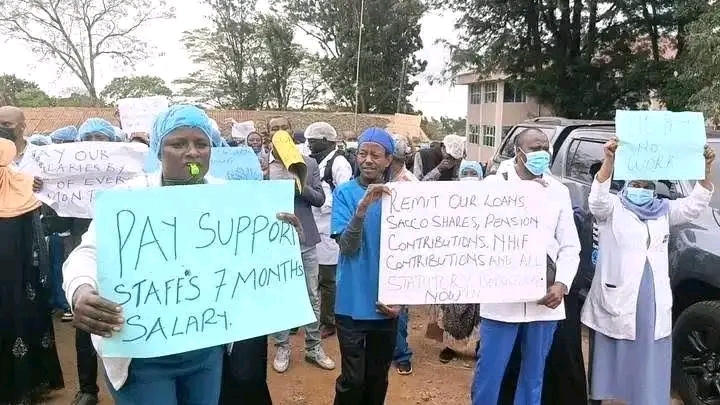
The debate has stirred public forums, protests, and heated discussions online. Many worry that the government is choosing quality at the expense of access.
So what should be done?
Research by UNESCO and local think tanks like Twaweza shows that quality and access must go hand in hand. Experts recommend a blended model—universal access with targeted support.
This could include better school funding formulas, community oversight of school spending, and more teacher development programs.
The challenge is real. But the opportunity is greater. Kenya can build an education system that leaves no child behind while raising learning outcomes.








Leave a Reply