By JORAI WEKESA
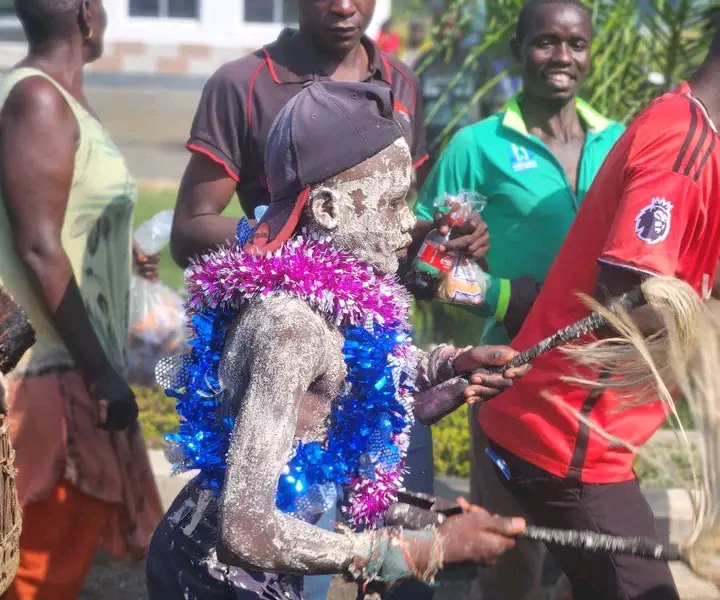
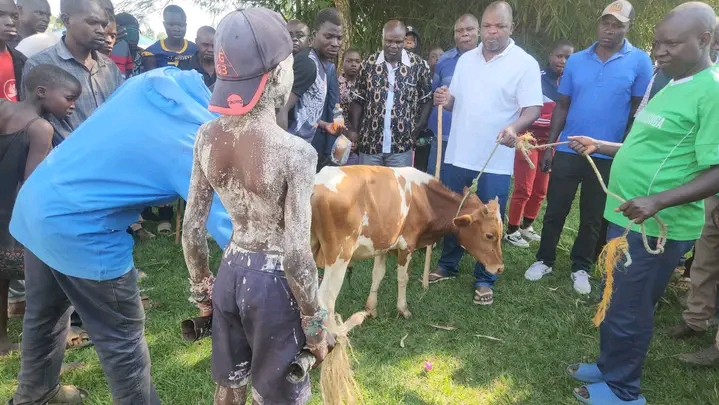
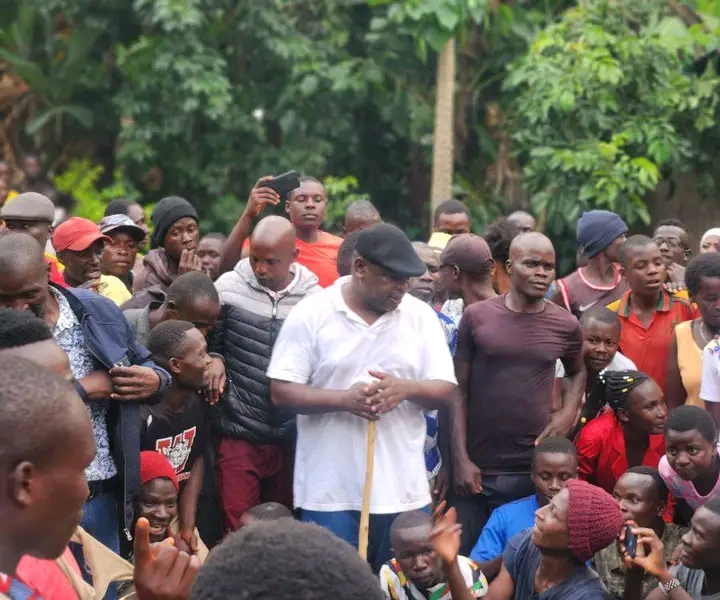
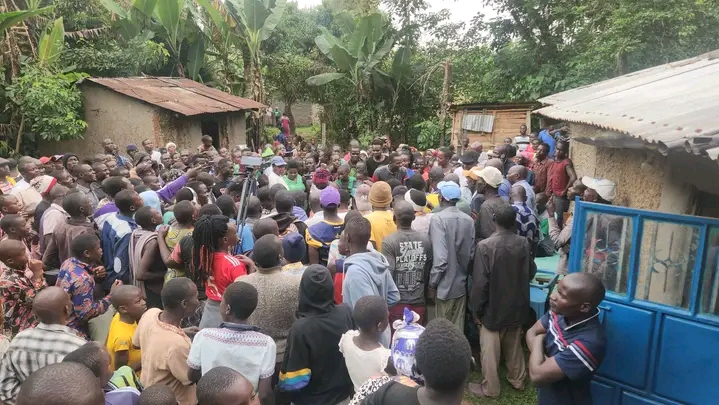
In western Kenya, the Bukusu community preserves one of the region’s most significant cultural rites—male circumcision as a passage to adulthood. This initiation is more than tradition; it’s a reaffirmation of values, community, and identity.
Celebration and Teaching Combined
The ceremony is a public celebration filled with song, dance, and vibrant community participation. But beneath the festivity lies structured learning. Boys undergoing the rite observe taboos, engage in self-reflection, and receive guidance on discipline, courage, and social responsibility. Their transition is not just physical—it’s moral and communal.
Africa’s Shared Heritage of Initiation
Similar initiation ceremonies take place across the continent. Among the Maasai of Kenya and Tanzania, both boys and girls undergo colourful rites marked by singing, dancing, and lessons in bravery. The Kikuyu of central Kenya also hold communal celebrations that teach the youth about cultural responsibility and identity.
In South Africa, the Xhosa practice “Ulwaluko,” a sacred male rite of passage blending education, mentorship, and seclusion. The Tuareg of North Africa conduct gender-inclusive rituals that use storytelling and cultural symbols to prepare youth for adulthood, while the Akan communities of Ghana celebrate coming-of-age with vibrant, symbolic ceremonies that affirm communal values.
Preserving Heritage in a Modern World
In an era of rapid change, these initiation rites act as a bulwark against cultural erosion. They connect youth to their roots, instill a sense of purpose, and build strong community bonds. These are not just rites—they are frameworks for sustainable cultural continuity.
Why It Matters to KCN
At Kenya Coastal News, we spotlight stories that reflect the depth of African culture and the urgency of safeguarding our heritage. Through our platforms—print, radio, and digital—we seek to preserve, document, and promote traditions that define who we are and where we come from.

About the Author