

Kajiado Governor Joseph Ole Lenku has come forth to condemn lion poisoning from the Amboseli ecosystem, warning that rising incidences of human-wildlife conflict in this county threaten people’s livelihoods, public safety, and decades of conservation efforts.
Deadly Poisoning Incidents Raise Alarm
In the statement released on Saturday, Governor Lenku claimed that lions, together with vultures, were poisoned in the early days of January in two separate incidents, along different locations in Kajiado County. Although the two poisoning cases are not related per se, they underscored the rising human-wildlife conflict tension on open lands shared by people, livestock, and wildlife.
On January 1, six lions and 34 vultures were confirmed dead after feeding on a poisoned carcass at the Kitenden Community Conservancy, an important wildlife corridor in the southern Amboseli ecosystem. The authorities stated that the poisoning was undertaken purposely and clandestinely, adding that such acts threaten not only wildlife, but also livestock, human beings, and the ecosystem.
Lionesses Stray into Residential Areas
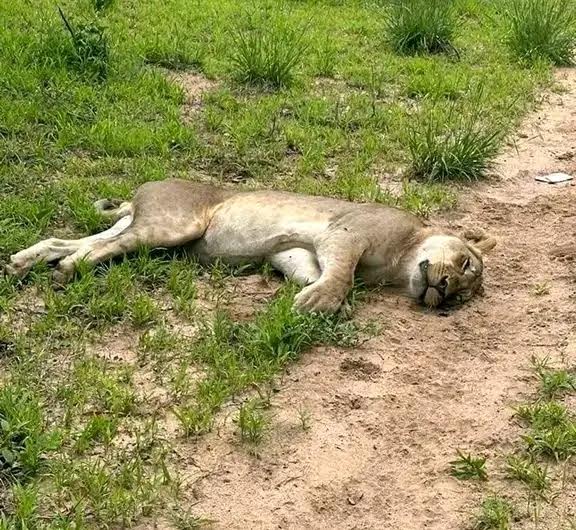
Barely a week after, on January 7, four lionesses strayed into residential areas of Oloosirkon–Sholinke Ward in the Athi-Kapiti Conservancy, bordering Nairobi National Park. One lioness was killed by a mob before KWS could sterilize the area for safe relocation of the animals.
Governor Lenku said that the two incidents underscored mounting pressure on wildlife habitats, prompted by prolonged droughts, shrinking grazing land, fencing, unregulated development, and expansive human settlement within wildlife corridors and buffer zones.
Coexistence Under Severe Strain
“For generations pastoralist communities and wildlife have coexisted. This balance, however, is now under severe strain,” said the governor. He warned that vital dry-season grazing areas and wildlife dispersal zones are disappearing fast, compounding the competition for land and resources.
Giving his special concern on the poisoning case, he stated that it occurred within Kitenden, a community conservancy that had been voluntarily set aside for the purpose of promoting coexistence between people and wildlife. This points to an alarming downward slide of trust and tolerance at community level.
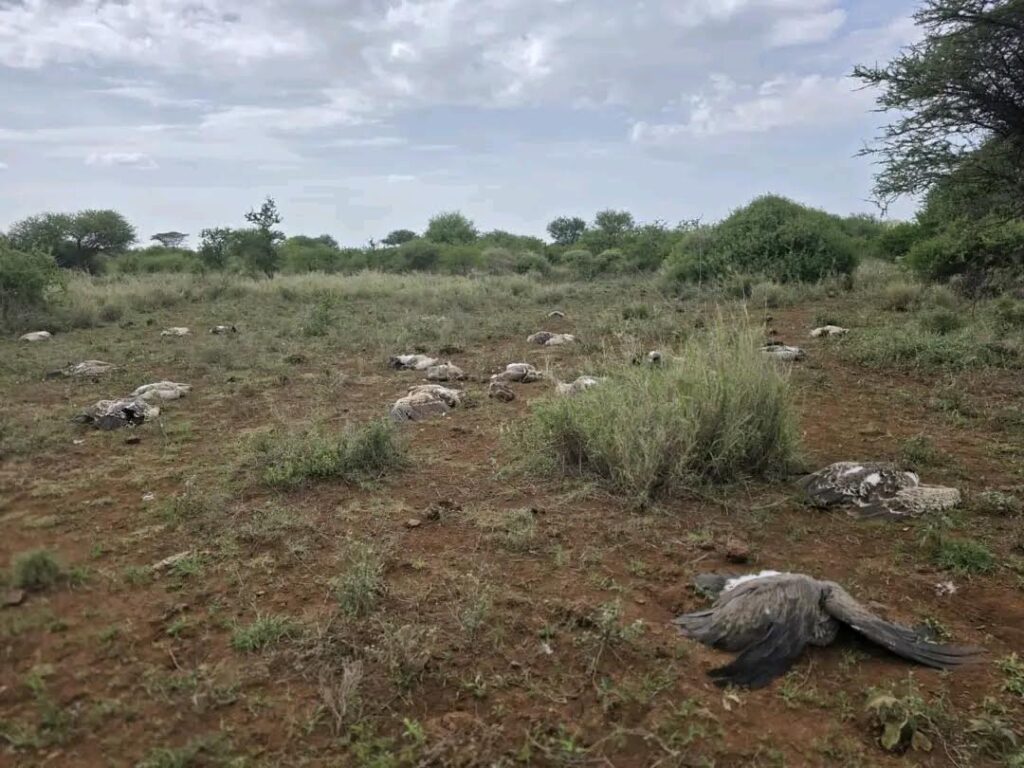
Authorities said the poisoning was deliberate and illegal, noting that it also posed risks to livestock, people and the wider environment.
Call for Cross Border Collaboration
Governor Lenku was keen to address the trans-boundary nature of the Amboseli-Kilimanjaro Ecosystem, shared by Kenya and Tanzania, and to encourage further cross-border collaboration between local communities, conservation institutions, and government authorities in addressing common challenges in protecting migratory wildlife.
He declared that poisoning is a very destructive retaliatory method, as it kills indiscriminately; it also eliminates scavengers such as vultures, contaminates soil and water, and presents grave health hazards to humans and livestock. He stressed that it is important to apprehend and bring those guilty to justice.
County Makes Plans for Response
The governor noted that, unlike poaching which is often commercially driven, human-wildlife conflict is largely fueled by fear, anger, and economic loss. He cautioned that, if left unchecked, this could locally extinct key wildlife species.
To confront the crisis, Governor Lenku said the county government was reviewing its conservation strategy to focus on restraining human wildlife conflict, speedy response to conflict incidents, and stringent law enforcement against wildlife crimes. He revealed that the County Conservancies Fund Bill, currently with the Kajiado County Assembly, proposes the establishment of a consolation fund to help pastoralist communities offset losses resulting from human-wildlife conflict.
A Warning for Things To Come
Additionally, the county plans to hold a high-level stakeholder forum, with the aim of developing workable, community-driven solutions for conflict resolution and coexistence continuity.
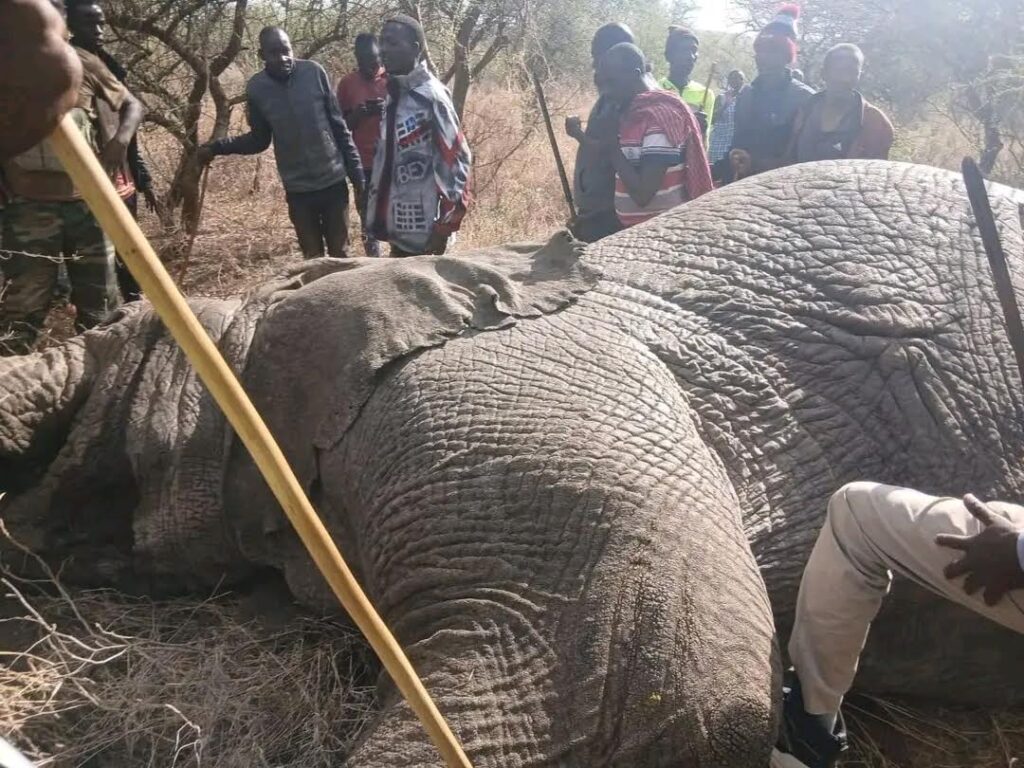
Governor Lenku described poisoning as a catastrophic form of retaliation, saying it indiscriminately kills wildlife. Photo/Courtesy
“The deaths in Kitenden and Sholinke are not just losses for wildlife. They are a warning that unless urgent and collective action is taken, coexistence between people and wildlife will continue to deteriorate,” stated Governor Lenku.












Leave a Reply